Dizel Jeneratör Setlerinin Bağlantı Kabloları İçin Kalite Noktaları
Bağlantı kabloları için kalite gereksinimleri
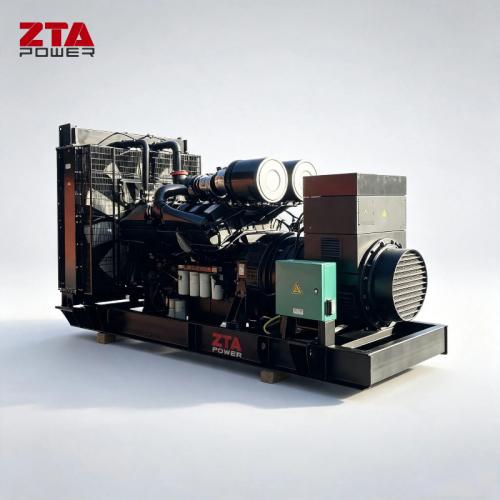
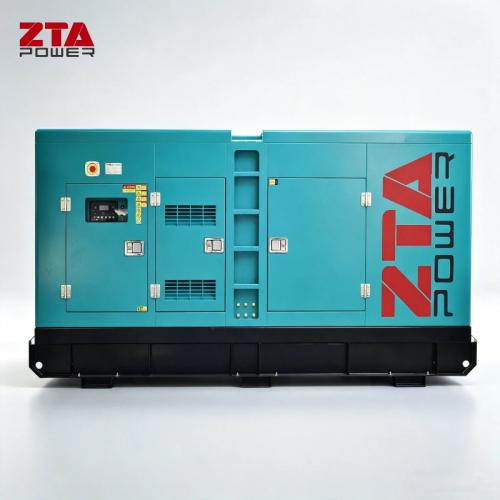
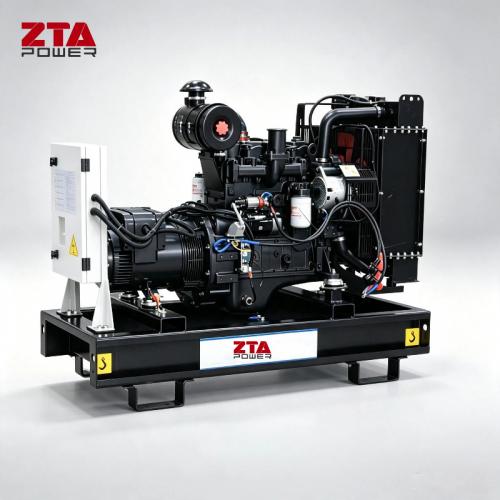
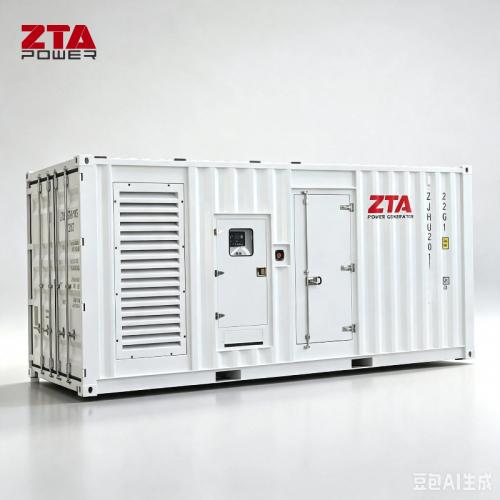
dizel jeneratör setleri
Dizel jeneratör setleri için bağlantı kabloları, tüm güç kaynağı sisteminin güvenliğini, güvenilirliğini, kararlılığını ve hizmet ömrünü doğrudan etkilediği için son derece kritiktir. "Yasa dışı" kabloların kullanılması aşırı voltaj düşüşüne, kablo ısınmasına ve hatta yangın gibi ciddi hasarlara neden olabilir. Bu nedenle, dizel jeneratör setleri için bağlantı kabloları ilgili uluslararası standartların gerekliliklerine uygun olmalıdır. Marka, model, renk vb. konularda yerel elektrik idaresinin gereklilikleriyle çelişen durumlarda, yerel elektrik idaresinin gerekliliklerine uyulması esas alınacaktır. YD/T1173 kapsamında dizel jeneratör bağlantı kabloları için belirtilmeyen ZA-YJV, ZA-YJV22, NH-YJV, WDZA-YJV, NH-KVV, WDZA-BYJ, WDZA-YJY gibi tipler için, GB/T12706, GB/T19666, JB-T10491, GB/T9330 ve GB/T5023 gibi ilgili standartlara göre uygulama yapılmalıdır.
(1) Kesit Alanı: Bu, en önemli parametrelerden biridir. Kesit alanı, jeneratör setinin nominal çıkış akımına, kablo uzunluğuna ve izin verilen gerilim düşüşüne göre doğru bir şekilde hesaplanmalıdır.
(2) Basit Prensip: Gerilim düşüşü gereksinimlerini karşılarken, daha küçük olmaktan ziyade daha büyük olmak daha iyidir. Akım yoğunluğunun, kurulum yöntemine ve ortam çalışma sıcaklığına bağlı olarak genellikle 2-4A/mm² arasında olması önerilir.
(3) Gerilim Değeri: Yalıtım katmanının gerilim değeri, jeneratör setinin nominal geriliminden daha yüksek olmalıdır. Örneğin, 400V'luk bir sistem için genellikle 0,6/1kV değerinde kablolar kullanılır.
(4) Gerilim Düşüşü:
Bu, elektrik enerjisi iletiminin verimliliğini ölçmek için önemli bir göstergedir. Aşırı gerilim düşümü, yük ucunda yetersiz gerilime neden olarak ekipmanın normal çalışmasını tehlikeye atabilirken, elektrik enerjisi kabloda ısı olarak dağılır. Genellikle, toplam gerilim düşümünün nominal gerilimin %3-5'ini aşmaması gerekir. Pratik mühendislikte, bir güvenlik payı bırakmak için, kurulum için genellikle daha ayrıntılı bölümlendirmeler yapılır:
-
Jeneratör Ana Bağlantı Kablosu (Jeneratör →
Ana Şalt Panosu / ATS
Gerilim düşüşünün ≤%2'nin altında tutulması önerilir. Bunun nedeni, güç kaynağının ana damarı olarak, tüm tesisatın toplam gerilim düşüşünün kabul edilebilir aralıkta olmasını sağlamak için sonraki dağıtım devrelerinin gerilim düşüşü için yer bırakılması gerektiğidir.
-
Tüm Güç Kaynağı Sistemi (Jeneratör Terminallerinden En Uzak Yük Cihazına Kadar): Toplam gerilim düşümü %5'i geçmemelidir. Bu, jeneratör ana kablosundan, tüm seviyelerdeki dağıtım kablolarından ve son branş devrelerinden kaynaklanan tüm gerilim düşümlerinin toplamını içerir.
(5) Orkestra Şefi:
-
İletken malzeme olarak TR tipi yumuşak yuvarlak bakır tel veya TXR tipi kalaylı yumuşak yuvarlak bakır tel kullanılmalıdır.
-
Tek tellerin 20°C'deki doğru akım direnci, aşağıdaki tabloda belirtilen şartlara uygun olmalıdır.
-
Referans veri tablosu (Yer tutucu).
(6) Yalıtım
-
Kablolar, açık ve net bir şekilde tanımlanacak şekilde işaretlenmelidir.
-
Yalıtım direnci değeri ilgili standartlara uygun olmalıdır.
-
Yalıtım performansı istikrarlı ve güvenilir olmalıdır.
-
Bağlantı kablosu yalıtım tabakasının ortalama kalınlığı nominal kalınlıktan az olmamalı ve herhangi bir noktadaki minimum kalınlık, nominal kalınlığın %90'ından 0,1 mm çıkarıldıktan sonra kalan değerden az olmamalıdır.
-
Çekirdek Tanımlaması: Her yalıtımlı çekirdek renkle tanımlanmalıdır. Tanımlama yöntemi yerel gerekliliklere uygun olmalıdır. İhaleyi kazanan firma, Cummins kullanıcılarından renk gerekliliklerini alacaktır.
-
Ara Kontrol: Dizel jeneratör bağlantı kablolarının yalıtımlı çekirdekleri, ilgili standartlarda belirtilen ara kontrol kapsamında güç frekansı veya DC kıvılcım testine dayanmalıdır.
(7) Kılıf:
-
Kılıf Malzemesi: Mükemmel esneklik, yağ direnci, aşınma direnci, hava koşullarına dayanıklılık (UV, ozon), yırtılma direnci ve alev geciktirici özelliklere sahip olmalıdır.
-
Kılıf Gereksinimleri: Kılıf pürüzsüz, kalınlığı homojen, iğne deliği ve kabarcık gibi kusurlardan arındırılmış olmalıdır. İdeal olarak, mükemmel esneklik, Cummins dizel jeneratör yağı direnci, aşınma direnci, hava koşullarına (UV, ozon), yırtılma direnci ve alev geciktiricilik özelliklerine sahip olmalı, bu da onu taşıma, sürükleme ve dış mekanlardaki karmaşık ortamlarda çok pratik hale getirmelidir.
-
Kılıf Kalınlığı: Kablo kılıfının nominal kalınlığı, ilgili hükümlere uygun olmalıdır. Zırhsız kablolar için, herhangi bir noktadaki minimum kılıf kalınlığı, nominal kalınlığın %85'inden 0,1 mm çıkarıldıktan sonra kalan değerden az olmamalıdır; zırhlı kablolar için, herhangi bir noktadaki minimum kılıf kalınlığı, nominal kalınlığın %80'inden 0,2 mm çıkarıldıktan sonra kalan değerden az olmamalıdır.
-
Kablo Kılıfının İç Bileşimi: Kılıfın yalıtım veya iç kaplama ile doğrudan temas halinde olduğu kablolarda, kablo kılıfı yalıtım veya iç kaplamaya yapışmamalıdır. Yalıtım veya iç kaplama ile kılıf arasında ayırıcı olarak talk tozu veya kablo performans gereksinimlerini karşılayan diğer malzemeler kullanılabilir.
-
Kılıf Rengi: Genellikle siyah, çünkü karbon siyahı mükemmel UV direnci sağlar.
-
Koruyucu Katman (yüksek kapasiteli veya uzun mesafeli iletim için): Ortamda güçlü elektromanyetik girişim varsa veya kablonun dışarıya yaydığı elektromanyetik radyasyonu azaltmak istiyorsanız, bakır tel örgülü veya bakır bant korumalı kablolar kullanmayı düşünün.
(8) Diğer Teknik Gereksinimler:
-
Tip Tanımı: Dizel jeneratör bağlantı kablolarının tip tanımı altı bölümden oluşur: yanma karakteristik kodu, seri kodu, izolasyon malzemesi kodu, kılıf malzemesi kodu, dış kaplama kodu ve çalışma sıcaklığı kodu. Yapısı ilgili şartnamelerin gerekliliklerine uygun olmalıdır.
-
Kablo Tipi: Dizel jeneratör bağlantı kablosunun iletken sayısı, nominal kesit alanı ve nominal gerilimi, ilgili teknik şartnamelerin gerekliliklerine uygun olmalıdır.
-
Montaj Sırasında Minimum Bükme Yarıçapı: Zırhsız tipler için dizel jeneratör bağlantı kablosunun dış çapının en az 8 katı, zırhlı tipler için ise en az 15 katı olmalıdır.
-
Yağ Direnci: Jeneratör setinin çevresinde yağ lekeleri olabilir. Kablo kılıfının şişmesini, deforme olmasını veya eskimesini önlemek için mineral yağa karşı iyi bir dirence sahip olması gerekir.
(9) Seçim Önerileri:
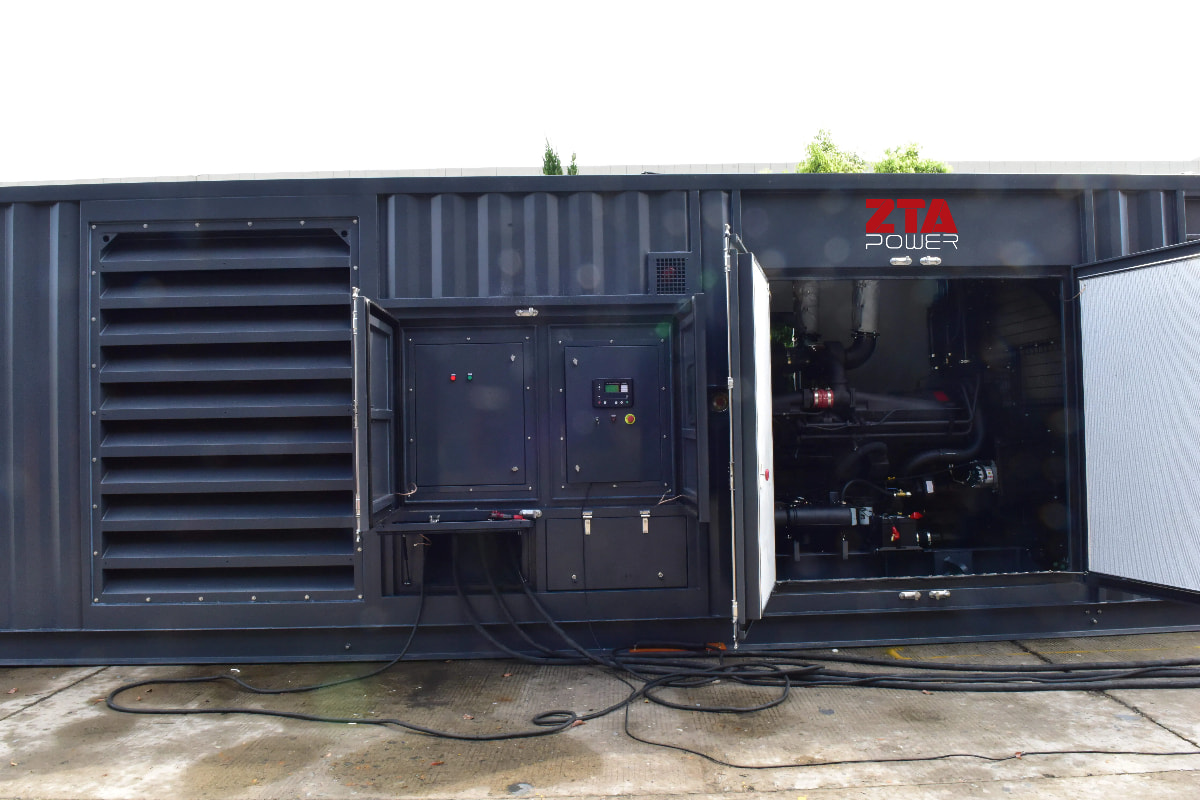
Dizel jeneratör setlerini bağlayan kabloların kalitesini sağlamak için, ağır hizmet tipi kauçuk kılıflı esnek kablolar (ulusal standart YCW, YHZ tipleri gibi) ilk tercih olmalıdır. Bunlar, mobil elektrikli cihazlara güç sağlamak için ideal olarak tasarlanmıştır. Kablolar kalıcı olarak sabitlenmiş ve iyi bir ortamda kablo kanallarına veya borulara yerleştirilmişse, VV veya YJV tipi güç kabloları da düşünülebilir, ancak esneklikleri kauçuk kılıflı kablolara göre çok daha düşüktür. Özetle, dizel jeneratör setleri için bağlantı kabloları seçmenin temel prensibi, "yeterince geniş kesit alanına sahip, saf bakır iletkenli ve ağır hizmet tipi kauçuk kılıflı esnek kablolar" kullanmak ve güvenlik standartlarına uygun olduklarından emin olmaktır. Daha azıyla daha fazlasını kaybetmemek için bu kalemde asla maliyetten tasarruf etmeyin.
Onarım ve Teknik Destek:
Cummins
Dünya çapında tanınmış bir marka olarak, dizel jeneratör setlerinde arıza giderme teknolojisinde mekanik, elektronik ve akıllı mekanizmaları birleştiren kapsamlı analiz adımlarını benimseyerek, sorunların hızlı bir şekilde tespit edilmesini ve arıza sürelerinin azaltılmasını sağlar.




 IPv6 Ağ Desteklendi
 English
 français
 русский
 español
 português
 العربية
 Türkçe
 ไทย
ไทย Tiếng Việt
 Indonesia
  Filipino